
Pillar guide · Clothing manufacturing 2026
Clothing Manufacturers: Guide to Manufacturing Your Brand in China, India & Bangladesh
How to choose a country and factory to produce your collection, what to expect in costs and lead times, and how to manufacture your own clothing brand with support on the ground.
If you’re looking for clothing manufacturers for your brand, this guide is for you: manufacturing clothing for your brand is more than “finding a factory” — the country you choose determines fabric availability, minimum MOQ, unit price and lead times. We’ll help you decide where to manufacture and how to do it right, with links to country-specific detail and each stage of the process.
Choose the country to manufacture your clothing
China
The widest range of technical fabrics and production capacity in the world. Ideal for sportswear, streetwear and collections with complex finishes.
Manufacture clothing in China →
Manufacture sportswear in China →
India
A strong textile tradition, competitively priced natural fabrics (cotton, linen) and good capacity for mid-sized production runs.
Manufacture clothing in India →
Bangladesh
One of the world’s largest textile exporters, especially cost-effective for high volumes of basic garments.
Manufacture clothing in Bangladesh →
Textile manufacturing in Asia: overview
China, India and Bangladesh together hold most of the world’s textile manufacturing capacity, but each plays a different role in the supply chain. China leads in fast product development and technical fabrics; India brings natural fabrics and craft embroidery at competitive prices; Bangladesh is the world’s most cost-effective option for high volumes of basic garments. Most brands manufacturing at international scale combine more than one country depending on the garment — for example, technical sportswear in China alongside cotton basics in India or Bangladesh.
What types of garment we can help you manufacture
We work with factories specialised by category rather than one generic factory for everything — this is what makes the difference in the final finish. These are the categories and specific garments we manufacture most often:
Sportswear and technical apparel
- Technical t-shirts and compression tops
- Tracksuits and matching sets
- Sports sweatshirts and hoodies
- Compression leggings
- Running and trail apparel
- Cycling wear (bib shorts, jerseys)
- Yoga and fitness clothing
- Sports bras
- Windbreakers and softshell garments
- Technical ski and mountain wear
See our dedicated sportswear guide →
Casual and fashion clothing
- T-shirts and polo shirts
- Sweatshirts and hoodies
- Trousers and denim (jeans)
- Shorts
- Jackets, parkas and gilets
- Raincoats and waterproof garments
- Fleece
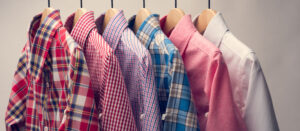
- Shirts and blouses
- Skirts and dresses
- Knitwear
Underwear, swimwear and basics
- Women’s and men’s underwear
- Swimwear and bikinis
- Beachwear and sarongs
- Pyjamas and loungewear
- Socks
Workwear, corporate and custom clothing
- Work uniforms by sector
- Custom printed promotional clothing
- Apparel for trade events and fairs
- Personal protective equipment (PPE)
- Medical and healthcare workwear
Children's and baby clothing
- Baby and maternity clothing
- Casual and sportswear for children
- School uniforms
Textile accessories
- Caps and hats
- Scarves, gloves and winter accessories
- Backpacks and sports bags
Home textiles
- Towels
- Bed linen and covers
- Pillows and sleep textiles
Footwear and fashion accessories
- Trainers and sneakers
- Dress shoes
- Bags and wallets
- Belts and fashion accessories
Whatever the garment or category, the process is the same: spec sheet, selection of a specialised factory, sample, production with quality control, and logistics through to your warehouse. If your product isn’t listed here, tell us anyway — we work with additional categories on request.
We manufacture according to your brand's style
Beyond garment type, the right factory also depends on your brand’s style and positioning — producing a streetwear collection isn’t the same as a minimalist line or technical outdoor wear. These are the styles we work with most often:
- Streetwear and urban wear — oversized hoodies, graphic tees, caps, wide silhouettes and print or embroidery finishes.
- Athleisure — sportswear designed for everyday use, leggings and sweatshirts with premium finishes and soft technical fabrics.
- Technical and outdoor apparel — softshell, windbreakers, mountain wear and layered garments for demanding conditions.
- Minimalist and premium basics — clean-lined garments, heavier weight fabrics and careful finishing, focused on quality over print.
- Workwear and utility style — workwear aesthetics brought into casual fashion: pockets, cargo details, durable fabrics.
- Vintage and retro — washed and aged finishes, silhouettes from past decades, special dyeing techniques.
- Sustainable and eco-friendly — recycled or organic fabrics, low-impact dyes, and certifications such as GRS or OEKO-TEX.
- Plus size — adapted pattern-making and factories experienced with extended size ranges.
- Premium and accessible luxury — high-end finishes, considered packaging and stricter quality control.
Tell us your brand’s style and positioning alongside the garment type — combining both lets us propose the factory that genuinely fits, not a generic one.
Manufacturers of women's, men's and children's clothing
Beyond garment type and style, many brands need a factory specialised by who the collection is for — pattern drape, sizing and finishing vary quite a bit between lines:
- Women’s clothing manufacturers: dresses, blouses, skirts, jumpsuits, women’s underwear, swimwear and bikinis, and seasonal fashion collections.
- Men’s clothing manufacturers: shirts, suits and blazers, men’s underwear, swimwear and men’s casual wear.
- Children’s and baby clothing manufacturers: maternity wear, baby clothing, school uniforms and casual and sportswear for children.
We can work on a single line (for example, women’s clothing only) or a full collection covering several audiences with the same factory or with different factories as needed for each line.
How private label manufacturing works (OEM/ODM)
Most brands manufacturing in Asia work under an OEM/ODM model: you provide the design, sizing and technical specifications, and the factory produces under your own brand, labelling and packaging. It’s the model that lets you launch your own collection without owning production.
- Spec sheet: pattern, fabric, weight, sizing and finishes defined in as much detail as possible.
- Factory selection: based on garment type and the country that best fits your product.
- Sample: physical validation before approving the full order.
- Production and quality control: inspection before goods leave the factory.
- Logistics: shipping, customs and delivery to your warehouse.
Indicative costs by order volume
| Order volume | Indicative budget | Most common country |
|---|---|---|
| Trial collection (100-300 units/design) | $3,500 - $9,000 | China or India |
| Mid-size production (500-1,000 units/design) | $8,500 - $22,000 | China, India or Bangladesh |
| Large volume (1,000+ units/design) | From $22,000 | Bangladesh or China |
* Indicative figures; they vary by garment type, fabric and finish complexity. Ask us for an estimate specific to your product.
Not sure which country fits your product best? Tell us what you want to manufacture and we’ll help you decide between China, India and Bangladesh based on fabric, budget and volume. Talk to our team.
Indicative costs by order volume
China offers the widest range of technical fabrics and scalability; India stands out for its textile tradition and competitively priced natural fabrics; Bangladesh is especially cost-effective for large volumes of basic garments.
It varies by country and factory: from 100-300 units per design at small workshops to 1,000+ units at larger factories, particularly in Bangladesh for high-volume orders.
Yes, through OEM/ODM manufacturing: the factory produces according to your designs, sizing and technical specifications, under your own brand, labelling and packaging.
It depends on the country, garment and MOQ, but a first order of a simple collection usually requires an initial budget of €3,000-€15,000, including sample, production and shipping.
It’s not mandatory, but it significantly reduces risk, especially on a first order. If you can’t travel, a third-party factory audit serves a similar purpose.
Ready to Launch Your Clothing Collection?
From selecting the right country and factory to sample development, quality control, and final delivery, we manage every step of your clothing manufacturing process.